
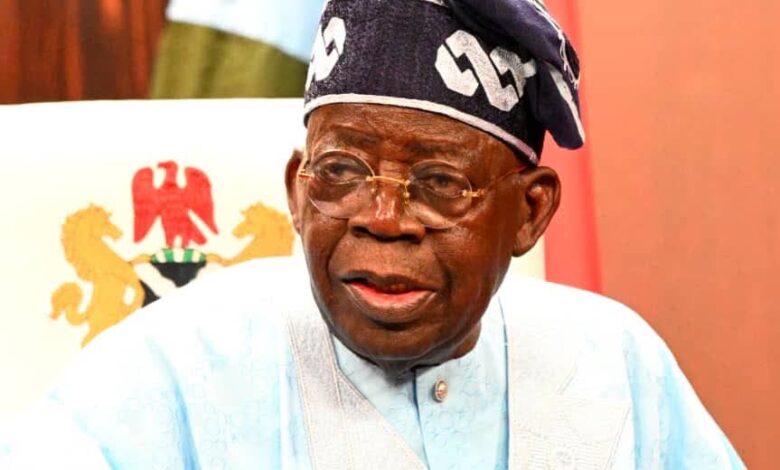
President Bola Ahmed Tinubu has declared that Nigeria has passed through its most difficult phase and is now entering an era of prosperity. In his Independence Day broadcast marking Nigeria’s 66th anniversary, themed ‘From Reforms to Prosperity’, the President said the nation has endured decades of hardship but has emerged with renewed hope.
Tinubu noted that Nigeria’s journey since 1960 has been marked by war, military rule, economic crises and political upheaval, yet survived through the resilience of farmers, traders, teachers, entrepreneurs and the Armed Forces. He said the faith of Nigerians that the country will be better remains the true inheritance of independence.
The President was blunt about the state of the economy he met in 2023, likening Nigeria to a cancer patient who had for too long chosen morphine over treatment. He said previous leaders sustained inefficient arrangements and postponed difficult decisions, leaving poverty rising and hope nearly gone.
According to him, his administration chose to excise the cancer through painful but necessary reforms. He said the reforms did not create Nigeria’s economic weaknesses but confronted them, urging Nigerians to resist calls to return to the regime of subsidies.
Tinubu said the results are now undeniable, with the economy growing by over 4 per cent this year, oil theft down, inflation falling from its peak, foreign reserves rebuilt and the foreign exchange market stabilized. He added that Nigeria recorded over $6 billion in non-oil exports in 2025, the highest in its history, while foreign direct investment continues to rise.
He declared that the emergency treatment is over and the nation’s economic task has changed from course correction to shared prosperity. Prosperity, he explained, means farmers producing safely and profitably, factories with reliable power, affordable food and transport, and jobs for young Nigerians.
To bring down the cost of living, Tinubu said his government is expanding mechanised irrigation and dry-season farming, improving access to seeds and fertilizer, investing in storage, roads, railways and ports. He argued that cheaper production and movement of goods will translate into lower market prices.
On jobs and industrialization, the President said Nigeria’s youthful population must become an engine of production. He pledged to use gas to power new industries, revive factories, expand digital connectivity and equip young Nigerians with relevant skills to build businesses and unicorns at home.
He acknowledged that millions still struggle daily, but said this is the accumulated consequence of decades of low productivity. To cushion the vulnerable, he cited strengthened support for poor households, the National Social Register, NELFUND for students, CREDICORP for consumer credit, and improved primary healthcare and education, stressing that the goal is not to manage poverty but to defeat it.
Tinubu concluded with a call for unity and faith in the future, declaring the age of reform over and the age of prosperity begun. “Nigeria has corrected its course. We have passed through our own Red Sea. This is not the time to look back. The Promised Land before us is a Nigeria of abundance and opportunity,” he said.