
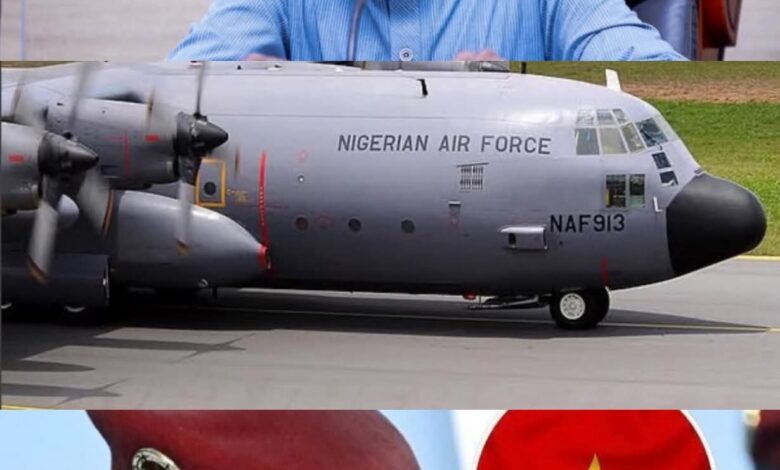
The prolonged detention of eleven Nigerian Air Force pilots and crew by Burkina Faso, exceeding 48 hours, has escalated from a diplomatic concern to a troubling disregard for international norms, regional unity, and fundamental aviation protocols.
Zagazola Makama , a counter insurgency and security analyst revealed that despite sustained high-level diplomatic intervention by Nigeria quietly and firmly conducted behind the scenes, the Burkinabè junta has remained unmoved. The silence of ICAO, ECOWAS and other multilateral institutions has only deepened the sense of injustice and disbelief.
At this moment, eleven NAF personnel remain in unlawful custody in Ouagadougou. No explanation. No justification. No adherence to the aviation safety rules binding even during conflict.
It is a painful reality, one that raises a serious question: What exactly is Burkina Faso trying to prove with this needless hostility toward Nigeria? Nigeria has never, at any point, acted in a manner that undermines the Burkinabè state. The two nations share history, security challenges, and mutual dependence within the Sahel.
In March 2025, A high-level delegation from the African Economic and Security (AES) bloc, representing Burkina Faso, Mali, and Niger, came to Nigeria to explore the country’s innovative non-kinetic approaches to counterterrorism. The focal points of their visit was Operation Safe Corridor (OPSC) and the Borno Model, initiatives renowned for their success in the deradicalization, rehabilitation, and reintegration of former combatants.
This collaborative effort draws attention to Nigeria’s leadership role in shaping effective counterterrorism strategies that blend military actions with community-driven solutions.
Also, in times past, Nigeria has provided support, training, airlift, intelligence, and diplomatic cover to many of its West African Neighbour.
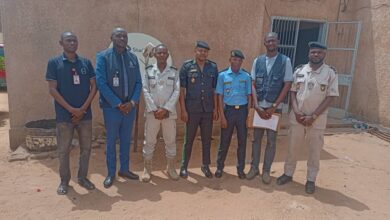
The Nigeria’s former Chief of Defence Staff (CDS), Gen. Christopher Musa(Rtd) and now the Minister for Defense has at that time reassured the AES delegation who visited him of the Armed Forces of Nigeria’s unwavering support, despite their withdrawal of Burkina Faso, Mali, and Niger from the Economic Community of West African States (ECOWAS).
Gen. Musa emphasized that terrorism knows no borders, making regional cooperation essential. The enemies we are dealing with have no respect for life, no respect for humanity, no respect for boundaries. It is critical that we work together to fight and defeat them.
For Ouagadougou to respond with this level of provocation is not only disappointing, but also dangerous. Nations must understand that alliances are built over decades, but can be destroyed in a single reckless moment.
They must know that No country remains permanently strong or permanently weak. Today it is Nigeria’s pilots. Tomorrow, it could be Burkina Faso in need of the same diplomatic or military cooperation it is now casually endangering.
Burning bridges in the Sahel, a region already overwhelmed by terrorism, fragile borders, and internal instability is a perilous choice. Hostile posturing against a neighbour that has historically supported regional stability serves no strategic purpose.
I believe that Nigeria will continue to act responsibly, leveraging diplomacy to secure the unconditional release of its personnel. But Burkina Faso must remember:
Great nations do not demonstrate strength by detaining friendly forces. They demonstrate strength by respecting international norms, honouring regional partnership, and choosing dialogue over provocation.