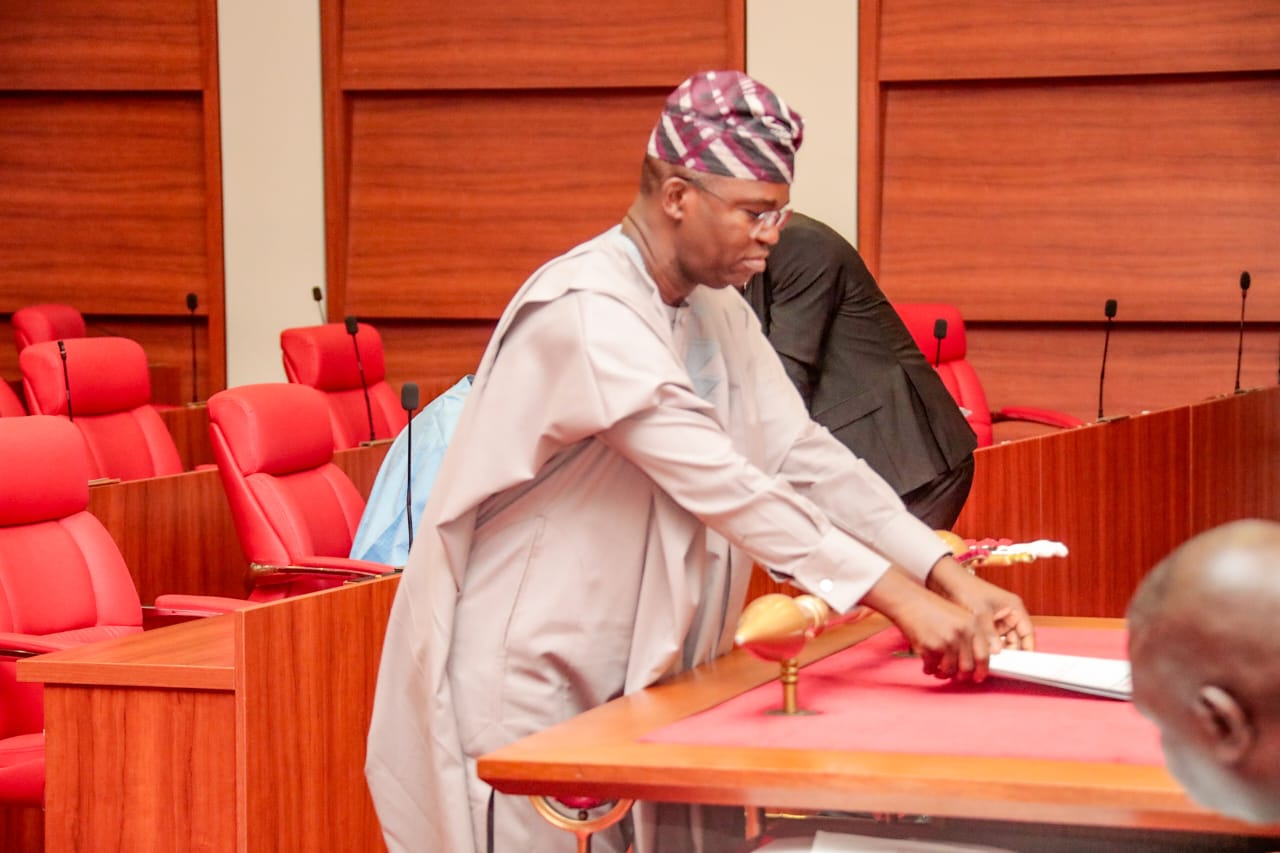

The Reformer Who Doesn’t Grandstand: Inside Tosin Ajayi’s Quiet Transformation of the DSS


In a country where public office is often accompanied by loud proclamations and headline-seeking gestures, the leadership style of Tosin Ajayi, Director-General of Nigeria’s Department of State Services (DSS), stands out for an entirely different reason: restraint. Since assuming office, Ajayi has pursued reform without fanfare, reshaping one of Nigeria’s most powerful security institutions not through rhetoric, but through deliberate actions that signal a deeper cultural shift.
For decades, the DSS, like many intelligence agencies around the world, has operated largely in the shadows, its successes unannounced and its failures often controversial. Public perception has oscillated between fear and mistrust, driven by allegations of excesses, secrecy, and occasional disregard for civil liberties. It is against this complex backdrop that Ajayi’s tenure has begun to redefine what leadership in such a sensitive institution can look like.
Leadership Without the Megaphone
Unlike predecessors who were frequently thrust into public debates by crises or confrontations, Ajayi has embraced a low-profile approach. There are no dramatic press conferences, no chest-thumping declarations of power. Instead, insiders describe a leader focused on process, discipline, and institutional self-correction. This has earned him a reputation as a reformer who prefers results over recognition.
Under Ajayi, the DSS has demonstrated a renewed commitment to operating strictly within the bounds of the law. This does not mean a weakening of national security capacity. On the contrary, security analysts note that intelligence operations have become more targeted and professional, emphasizing precision rather than brute force. The message, subtly but firmly communicated within the agency, is clear: effectiveness and legality are not mutually exclusive.
A Turning Point: Accountability in Practice
Perhaps the most telling example of this new direction was the DSS’s handling of a long-standing and sensitive case involving the accidental shooting of a civilian during an operation in 2016. For years, the incident lingered as a symbol of unresolved grievances between citizens and security agencies. Under Ajayi’s leadership, the DSS took the unusual step of publicly acknowledging responsibility, compensating the victim with ₦20 million, and providing free medical care.
In a system where accountability from security institutions is rare, the move was widely regarded as unprecedented. There was no attempt to deflect blame or bury the issue under bureaucratic silence. Instead, the DSS chose restitution over denial. Observers argue that this single action did more to rebuild public trust than dozens of press statements ever could.
Humanising State Security
Beyond compensation, Ajayi’s DSS has shown a growing sensitivity to the human impact of security operations. The provision of healthcare support to the affected civilian sent a powerful signal: national security is ultimately about protecting people, not intimidating them. This approach has quietly shifted internal attitudes, reinforcing the idea that intelligence work must respect human dignity even in high-pressure situations.
Civil society groups, often critical of security agencies, have cautiously acknowledged this change in tone. While skepticism remains, understandably so in a country with a long history of security abuses, there is a growing recognition that the DSS under Ajayi is making an effort to recalibrate its relationship with the public.
Reforming from Within
What makes Ajayi’s approach particularly significant is that much of the reform is happening internally. Training, operational guidelines, and command discipline have reportedly been tightened to reduce the likelihood of rogue actions by operatives. Rather than relying on punitive measures after the fact, the emphasis is on prevention: clear rules, better supervision, and a culture of responsibility.
This internal reform is arguably the hardest kind to achieve. It does not lend itself to quick headlines or viral moments. Yet, over time, it is precisely this kind of change that determines whether an institution evolves or stagnates.
A New Security Culture?
Ajayi’s tenure suggests a broader philosophical shift in Nigeria’s security architecture—one that recognises that public trust is itself a strategic asset. Intelligence agencies thrive on cooperation, information flow, and legitimacy. When citizens view security services as lawful and fair, they are more likely to cooperate, making the nation safer in the long run.
By choosing restraint over grandstanding, Ajayi appears to understand this dynamic. His leadership sends a message that power need not be loud to be effective, and that reform does not always announce itself with a bang. Sometimes, it arrives quietly, measured in policies changed, mistakes corrected, and trust slowly rebuilt.
Tosin Ajayi may never be the most visible security chief Nigeria has known, and that may be precisely the point. In an era hungry for dramatic leadership, his quiet transformation of the DSS offers a different model: one where strength is shown through discipline, authority through accountability, and reform through consistency.
History may ultimately judge Ajayi not by how often his name appeared in the news, but by whether the DSS he leaves behind is more professional, more restrained, and more aligned with the rule of law than the one he inherited. If early signs are any indication, his legacy may well be that of the reformer who didn’t grandstand—but changed the system all the same.